
* Max Dresow writes…
I wrote the first installment of my (not-so-) short essay series “Problematica” on January 9, 2023. Since then I’ve written another forty-nine, for an average of about one a month. This has been an immensely gratifying experience, not to mention a fun one. I’ve always loved the essay format. Probably no body of writing has had a larger impact on my life than Stephen Jay Gould’s Natural History essays. But it isn’t just Gould: David Quammen, John McPhee, Loren Eiseley— many of my favorite writers are science essayists.
Of course, I’m not inviting any comparison. I’m just expressing gratitude— for these writers’ gifts; for Adrian, Derek, Joyce and Leonard, for entrusting me with Extinct; for anyone who has ever read and enjoyed one of my posts; for the profoundly troubled world of academia, which can nonetheless foster wonderful expressions of community and creativity. Below, you’ll find a complete list of all 50 “Problematica” essays. They are presented in the order they were written, with the oldest at the top. I’ve marked some of my favorite essays with an asterisk. These are great places to start, but you can jump in anywhere— these fifty entries cover a pretty wide range of topics, from megalodon paleobiology to Goethe’s geology to the Martian canal-craze to the Gaia hypothesis.
Again, to anyone who has read Extinct over the past four years, thank you, and I hope you’ll find something that interests you here.
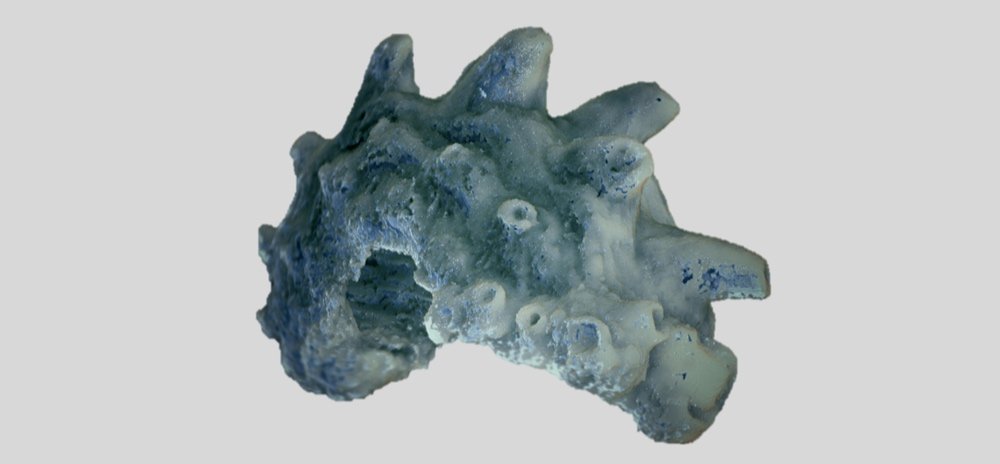
1. “Comparisons with Teeth: Two Hundred Years of Actualism in Paleontology”
> In which Max examines the durability and challenges of actualistic reasoning in paleontology
2. “‘Truth Also Has its Paleontology’, or When Pragmatism Met Uniformitarianism” *
> In which Max asks why on earth William James brings up paleontology when elaborating his pragmatic theory of truth
3. “Hugh Miller, Misplaced Boulders, and a Challenge for ‘Historical Cognitivism’”
> In which Max argues that an obscure Scottish geologist causes trouble for the position Derek Turner calls “historical cognitivism” in aesthetics

4. “The Trouble with Ancestors”
> In which Max debuts the doomed format of the “partial book review.” The subject: Chapter 10 of Ronald Jenner’s book, Ancestors in Evolutionary Biology
5. “Lords of Marble and the Spear”
> In which Max asks what an argument for repatriating a fossil might look like in the absence of demonstrable illegality in the acquisition of that fossil
6. “The Once and Future Earth” *
> In which Max examines two attempts to use Mars to better understand the past and future of Earth, respectively

7. “History, Kindness, and the Great Evolutionary Faunas”
> In which Max considers a recent account of historical natural kinds, and force-feeds it the example of the “great evolutionary faunas”
8. “Stray Thoughts on Contingency Following the MBL-ASU History of Biology Seminar”
> In which Max reflects on the recent MBL-ASU History of Biology Seminar on historical contingency in biology
9. “How to Change Your Life Using Punctuated Equilibria”
> The first part of a three-part essay on Stephen Jay Gould’s early work in evolutionary paleontology. In which Max examines what Stephen Jay Gould was up to on the eve of “Punctuated equilibria: an alternative to phyletic gradualism” (1972), and introduces an interpretive puzzle

10. “Paradox of stasis” *
> The second part of my essay on Stephen Jay Gould and evolutionary paleontology. In which Max examines why the development of punctuated equilibria did so little to upset Gould’s early adaptationist and progressivist ideas about evolution—at least at first
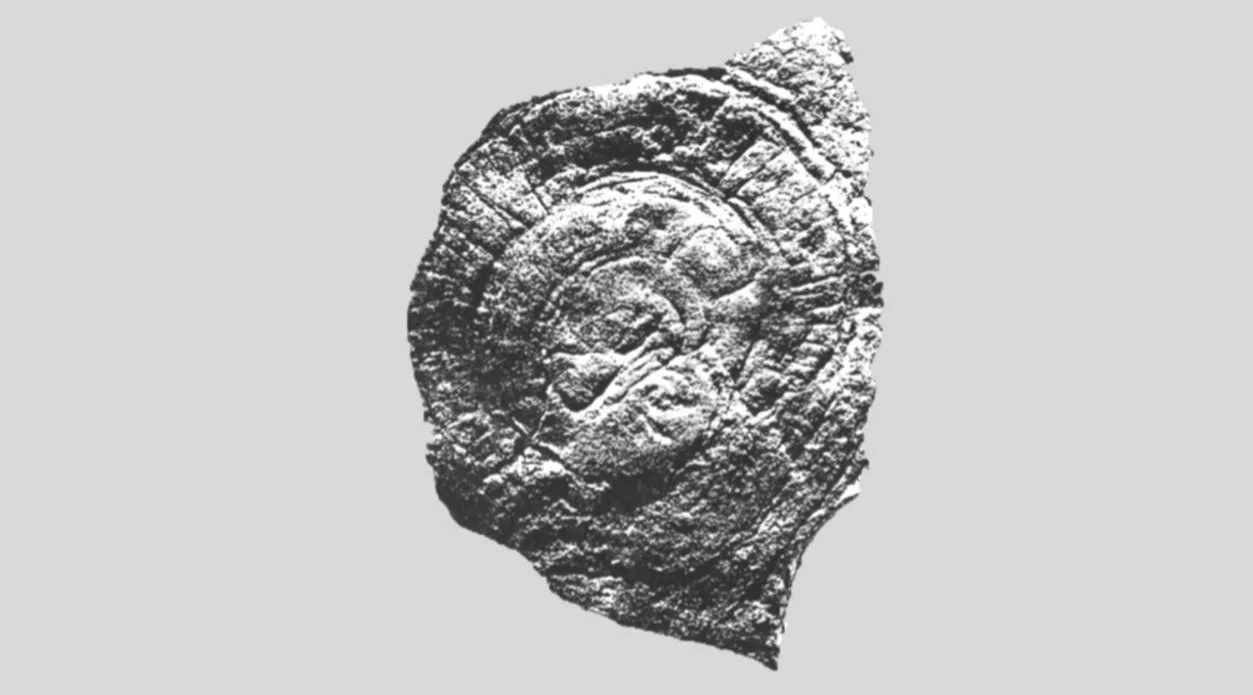
11. “Ediacaran enigma”
> In which Max considers the problems involved in interpreting the enigmatic fossils of the Ediacaran Period, as well as some influential attempts to interpret them
12. “Re-thinking living fossils, again”
> In which Max re-examines a recent re-examination of living fossils, with the help of a new paper by Beckett Sterner
13. “Goddess in the details”
> In which Max explores the history of the Gaia hypothesis and wonders whether it needs to be “Darwinized”
14. “The first philosopher of paleontology— Er, ‘palaetiology’”
> In which Max considers the geological writings of William Whewell and his concept of “palaetiological science”

15. “Equilibrium, disrupted”
> In which Max finally completes his three-part essay on Stephen Jay Gould and punctuated equilibria, and asks why Gould changed his mind about key features of evolution around 1977
16. “DINOSAUR TIME”
> In which Max complains about how prevalent the language of political domination is in popular writing about dinosaurs
17. “The importance of background theory, or why James Hall left mountains out of his theory of mountain-building” *
> In which Max asks whether James Hall really left mountains out of his theory of mountain building (as J.D. Dana famously alleged)
18. “Alien versus amphibian: War of the world views?”
> The first part of a three-part essay on Charles Lyell and Eduard Suess. In which Max examines Charles Lyell’s geology through the lens of a fictional character of his own creation: the “amphibious being”

19. “‘What we are witnessing is the collapse of the terrestrial globe’” *
> The second part of a three-part essay on Lyell and Suess. In which Max explores Suess’s geology through the lens of his “extraterrestrial observer”: a character that greets the reader in the opening pages of Das Antlitz der Erde
20. “Going global: geology between lyell and suess”
> The third part of a three-part essay on Lyell and Suess. In which Max asks what the comparison between Lyellian and Suessian geology can teach us about the path geological science traveled during the nineteenth century
21. “St. George and the Dragon”
> In which Max explores the problem of explaining novel structures in late nineteenth century evolutionary science

22. “Mivart’s dilemmA ConFronted”
> In which Max concludes his two-part essay on the nineteenth century debate over the evolutionary origin of novel structures
23. “The Bear”
> A special mini-Problematica: in which Max has a Baader-Meinhof moment about Mivart’s dilemma
24. “Release the kraken”
> In which Max releases the kraken on the Extinct blog. (It’s about “dangerous” speculation in geohistory)

25. “Wild thing”
> In which Max completes his essay on dangerous speculation in geohistory by analyzing the reception of the Triassic kraken, Nemesis, and vendobiont hypotheses
26. “Minnesota Gneiss” *
> In which Max hits the road to see the oldest intact surface rocks in the United States
27. “Evidence of Absence”
> In which Max considers the suggestion that archeology is distinctive in its frequent use of arguments from absence, and finds it wanting
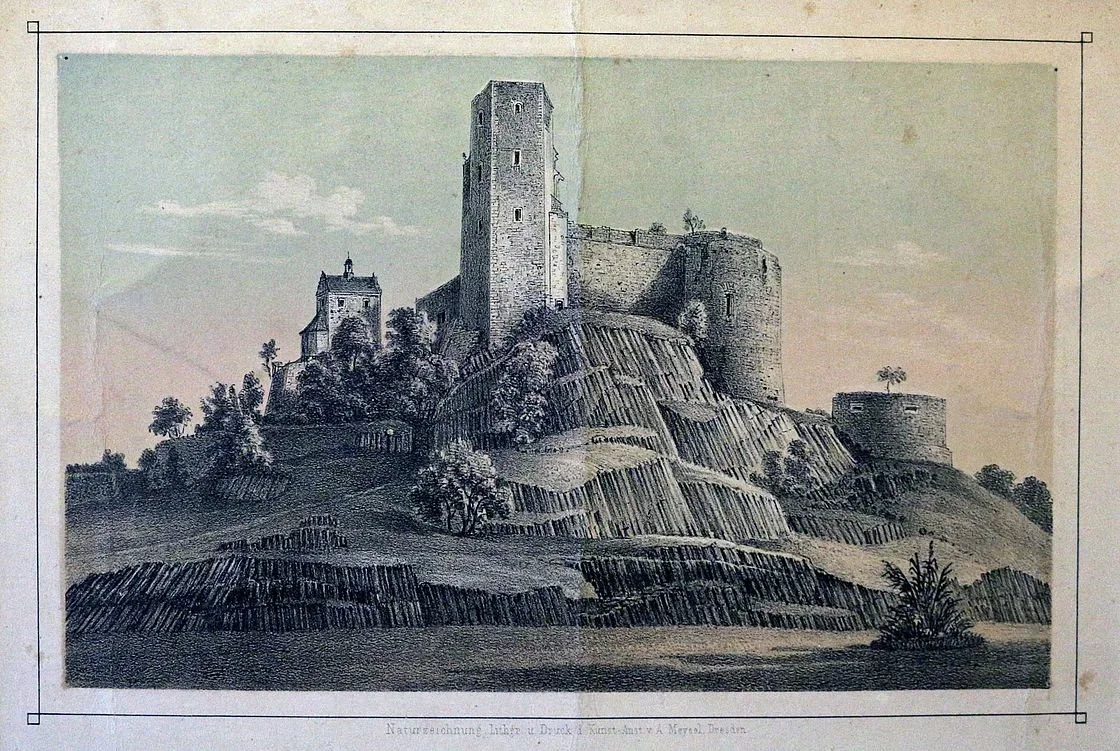
28. “More Basalt, More Problems” *
> In which Max asks why Goethe once said in a poem that America has no basalt (wait, huh?)
29. “Future-Proof Explosion?”
> In which Max considers the history of the expression “Cambrian explosion” and asks whether it’s here to stay
30. “America the Volcano-less”
> In which Max revisits Goethe’s weird claim about America lacking basalt with some expert help
31. “Toulmania '53: Remembering the Practice-Turn that Didn't Happen”
> In which Max looks back at a road not taken in 20th century philosophy of science: Stephen Toulmin’s Wittgenstein-influenced “practice turn”
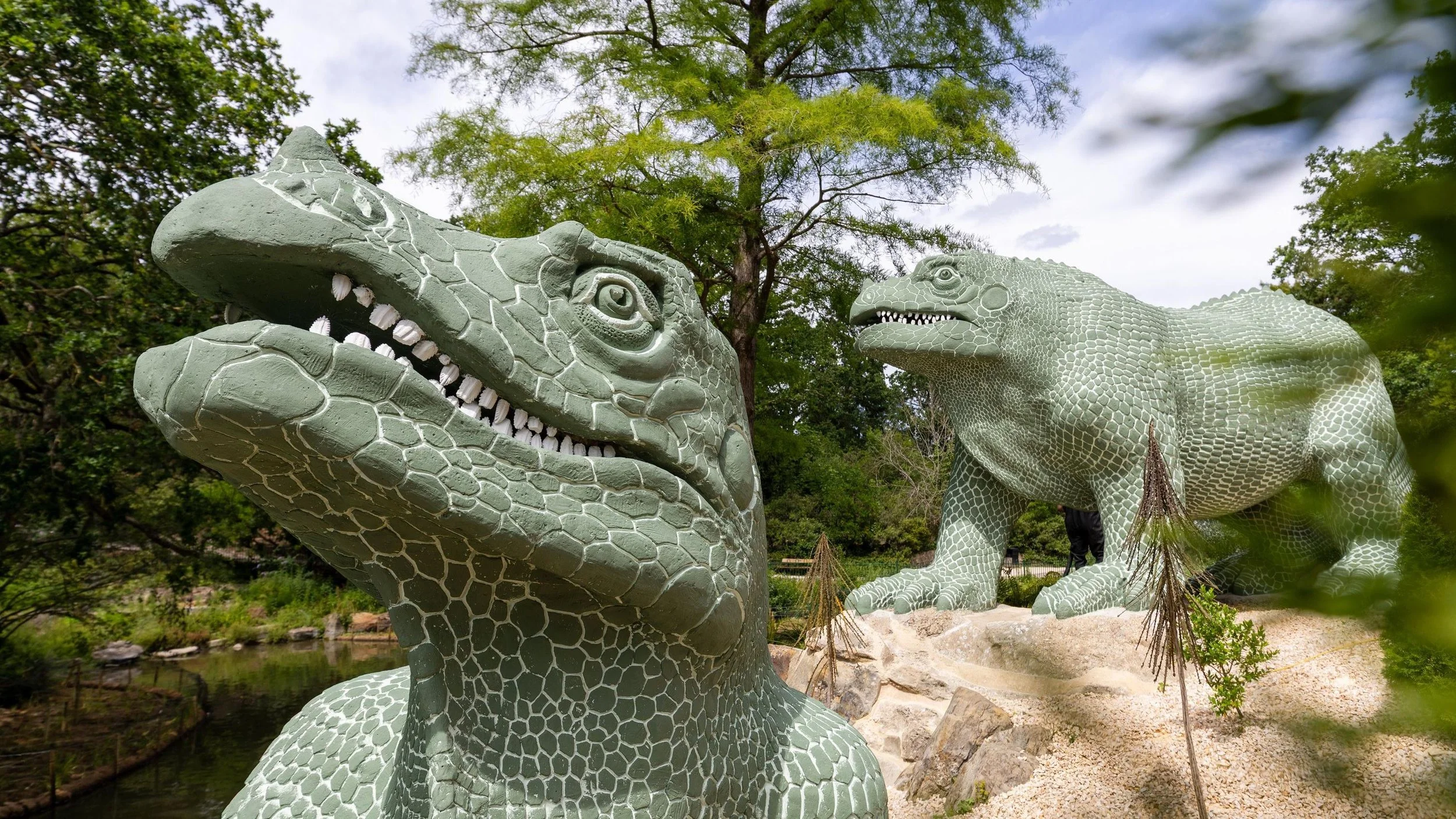
32. “Now That's How You Teach Kids About Science”
> In which Max gushes about his favorite picture book on dinosaur paleontology, The Iguanodon’s Horn
33. “Second Thoughts on Lyell”
> In which Max has second thoughts about some shit he said about Charles Lyell
34. “Pulse of the Solid Earth” *
> In which Max explores Thomas Chamberlin’s theory of periodic diastrophism and asks just how big a deal was it anyway?
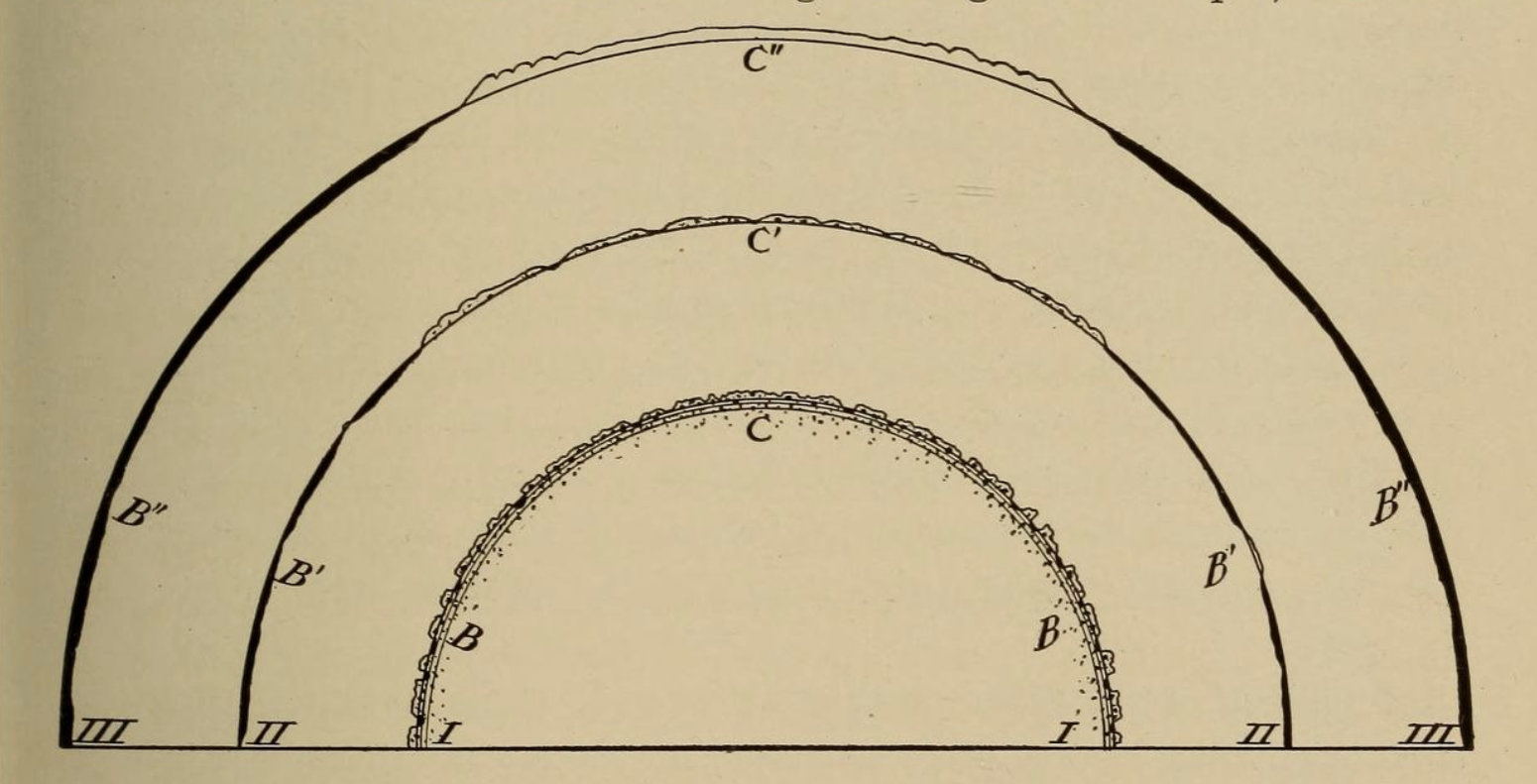
35. “‘Nature Vibrates with Rhythms’”
> In which Max continues his investigation of the popularity of periodic diastrophism in the first half of the twentieth century
36. “‘The Great Heart of Nature Beats’”
> In which Max concludes his investigation of periodic diastrophism in the twentieth century by exploring its uptake in (vertebrate) paleontology— and reaches a surprising conclusion
37. “Why the Yanks Whiffed on Drift... Was Uniformitarianism to Blame?” *
> In which Max considers the question on everyone’s mind: whether uniformitarianism was a factor in Americans’ rejection of continental drift in the 1920s
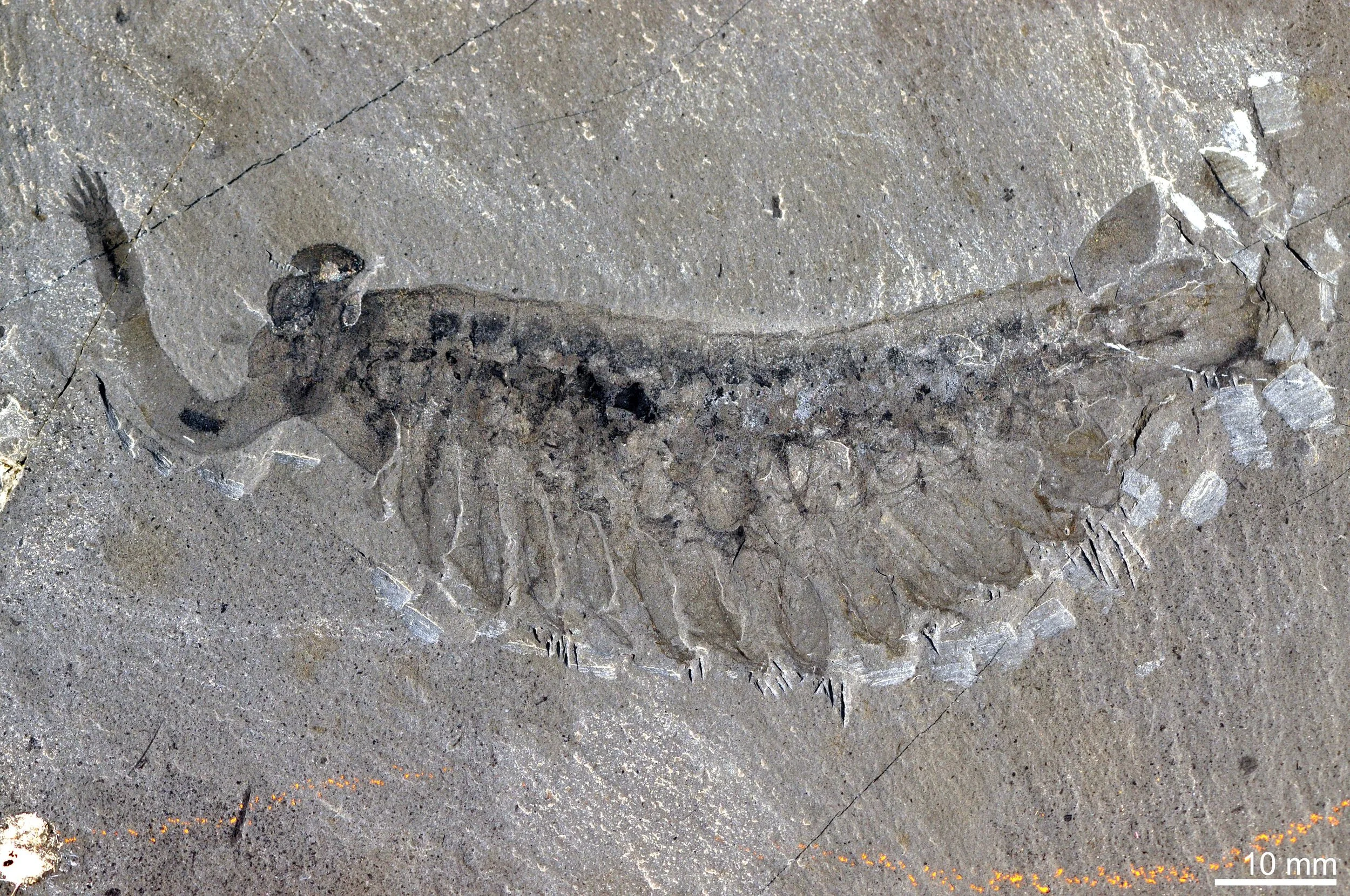
38. “Ode to Opabinia, or Why you Don't Hear as Much about Problematic Fossils as you Used to” *
> In which Max examines the history of research on that Burgess oddball, Opabinia regalis, and asks why this problematic fossil is less problematic than it used to be
39. “American Primordial: Remembering the Great Taconic Controversy” *
> In which Max remembers the biggest American geological brouhaha of the nineteenth century
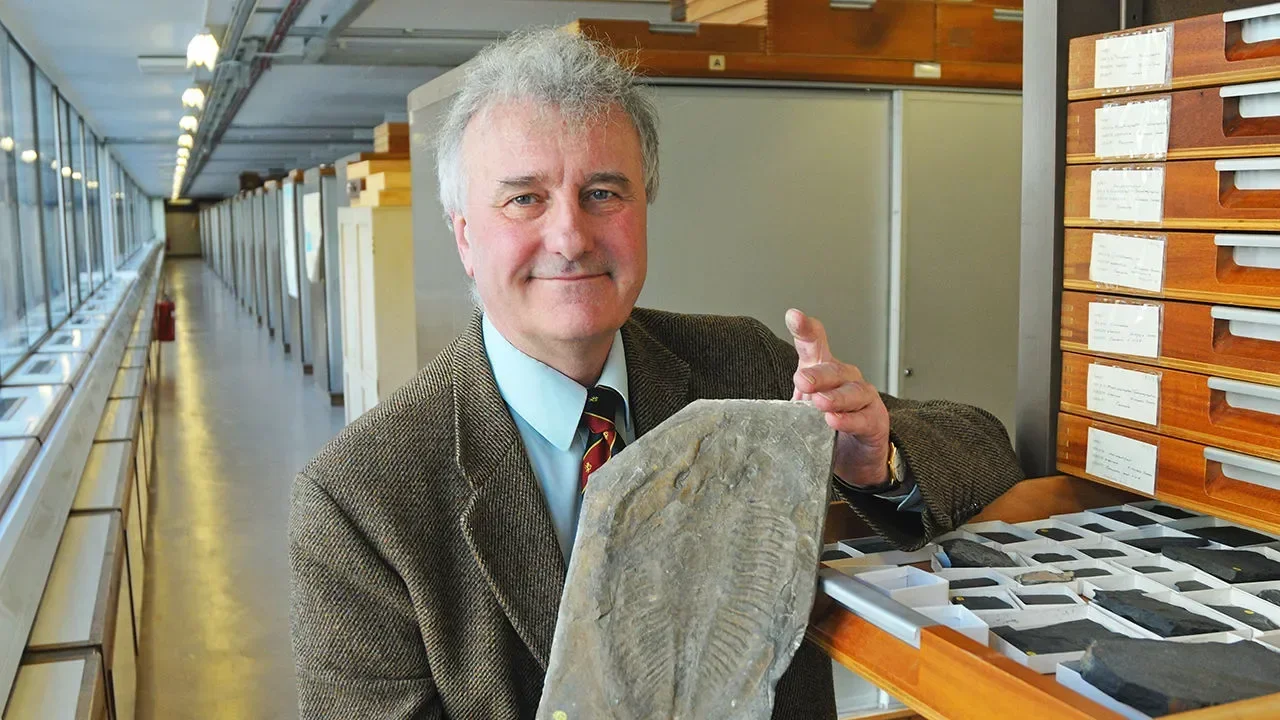
40. “For the Love of Fortey”
> In which Max pays tribute to the late paleontologist Richard Fortey by assembling some of his favorite Fortey-an sentences
41. “What the Actual Hell is Going on (Or, the Great Reg Sprigg Nature "Rejection" Mystery...)”
> In which Max blows your little mind
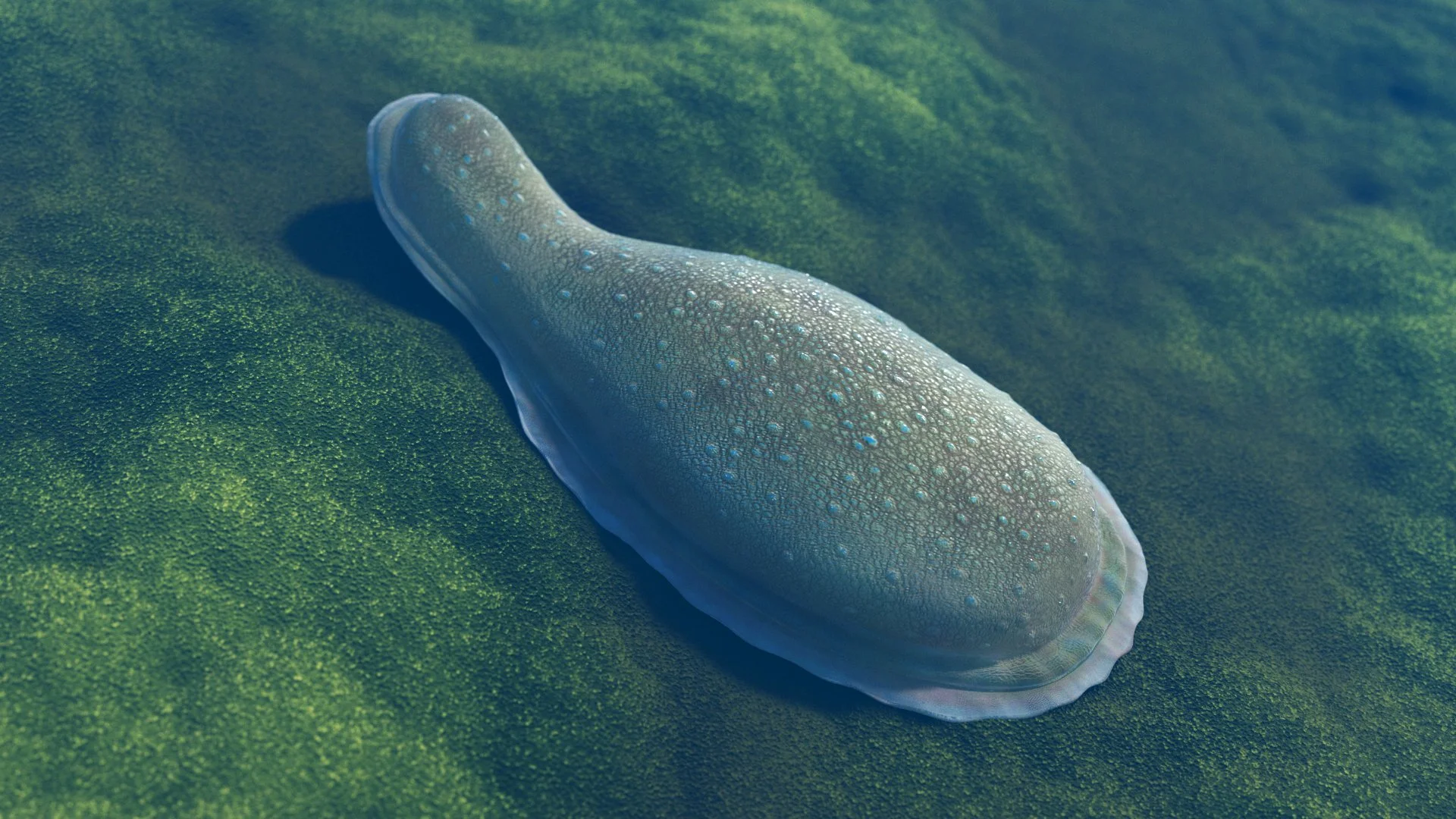
42. “Burgess Beasties and Ediacaran Enigmas”
> In which Max finally concludes two earlier posts with a double-duty post-a-ganza on the interpretation of Ediacaran macrofossils
43. “Beyond ‘Rocks versus Clocks’”
> In which Max Dresow and Katherine Valde glimpse a new philosophy of molecular clock dating
44. “Terrible Uniformitarian Poetry”
> In which Max shares some terrible scientific poetry from the 1940s. Just because
45. “Lyell, Interrupted”
> In which Max wrestles with a question that has always bugged him: how did uniformitarianism come to be associated with the view that nature’s laws are invariant in space and time? (It’s interesting, I promise!) —Part 1 of 2
46. “‘Long live Lyell and his Doctrine of Uniformitarianism!’” *
> In which Max finishes wrestling with a question that has always bugged him: how did uniformitarianism come to be associated with the view that nature’s laws are invariant in space and time? —Part 2 of 2
47. “All the Better to Catch you With, My Dear”
> In which Max presents a lost picture from the history of paleontology: Charles Walcott’s “Sidney crab” complete with massive claws (actually the appendages of a large radiodont— a relative of Anomalocaris)
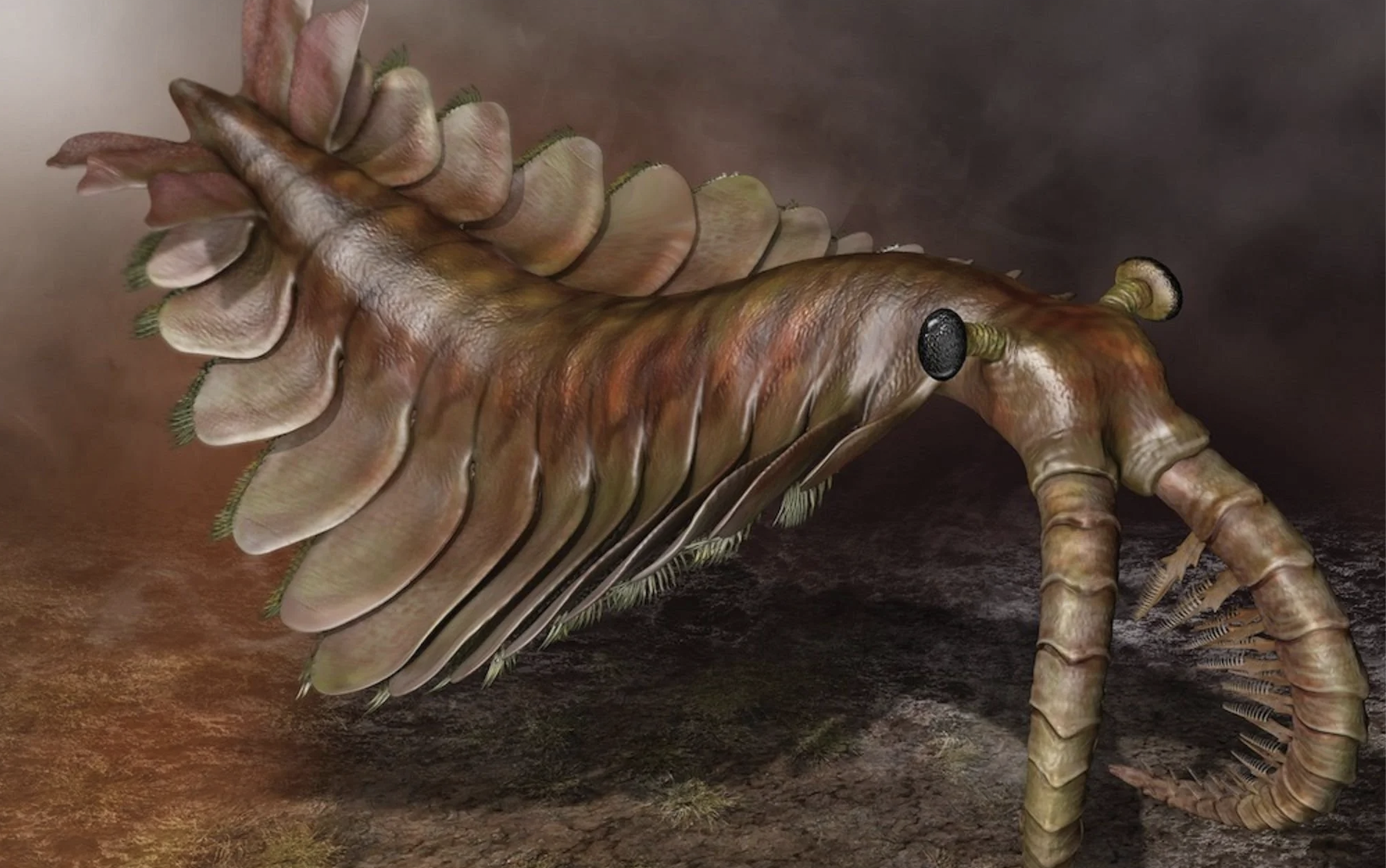
48. “Of Limeless Seas and Listless Animals”
> In which Max explores some bizarre (and not-so-bizarre) attempts to explain the abrupt appearance of the Cambrian fauna, ca. 1895-1960
49. “When "Geobiology" was "Biogeology"— Or, the Importance of Preston Cloud”
> In which Max argues that histories of geobiology need to pay more attention to an overlooked giant of twentieth century paleontology: Preston Cloud
50. “Darwinizing Gaia: A Progress Report and Evaluation”
> In which Max finally concludes his essay on the Darwinized Gaia hypothesis from three flippin years ago