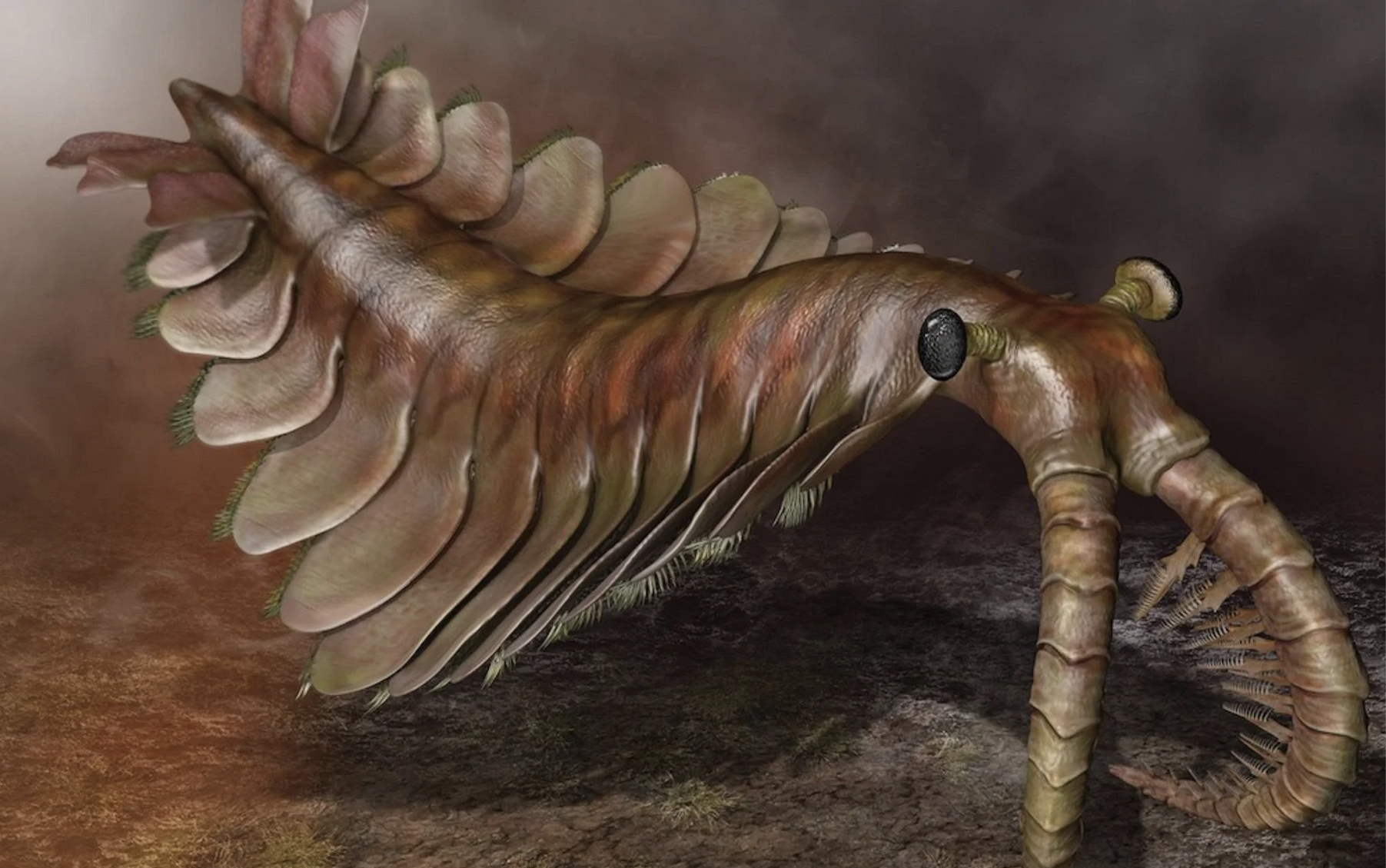
* This is the latest installment of “Problematica.” It’s the first of several posts that will feature weird bits of Cambrian history, which I turned up in the process of researching my book (tentatively titled Cambrian explosions: a history of controversy). This one is about a lost image from the history of paleontology— an attempt to visualize Charles Walcott’s “Sidney crab” complete with its supposed feeding appendages (actually, the appendages of a radiodont, either Peytoia or Hurdia). Pretty neaaat!
Problematica is written by Max Dresow…
One of the tragedies of writing a book is the discovery of little details that, while incredibly interesting to you, are not fit to include in the book. These range from small technical discoveries to bits of gossip to genuinely weird historical nuggets (see my earlier post on Reg Sprigg’s not-actually-rejected Nature letter announcing the discovery of fossils in the Ediacara Hills).
Anyone steeped in the traditions of academic writing will invariably cram these into footnotes, only to realize, later, that the footnotes are just self-indulgent clutter. If something doesn’t fit, it doesn’t fit— and if you find yourself questioning whether something warrants inclusion, it probably doesn’t. But the thing I’m about to describe never even made it to the footnote stage. The reason is that it’s an image— a gloriously weird, entirely arcane image, which delights me to no end, but has no place in the book I’m writing.
First, some background. Many of you will be familiar with the story of Anomalocaris— the largest predator found in the Burgess Shale, and an organism that was cobbled together from three other fossils, at first assumed to be separate organisms. These included an apparent medusoid, Peytoia, a putative sponge or sea cucumber, Laggania, and “the rear end of a shrimp,” to use Stephen Jay Gould’s memorable expression— Anomalocaris. To spoil the story, the “sponge” was actually the body of a giant hunter, the “medusoid” a circlet of plates with teeth in the middle, and the “shrimp” a jointed feeding appendage, of which two were attached in front of the mouth, as pictured above.
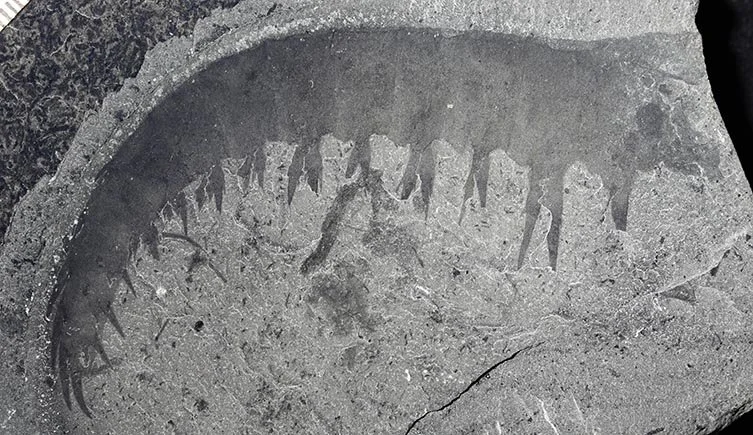
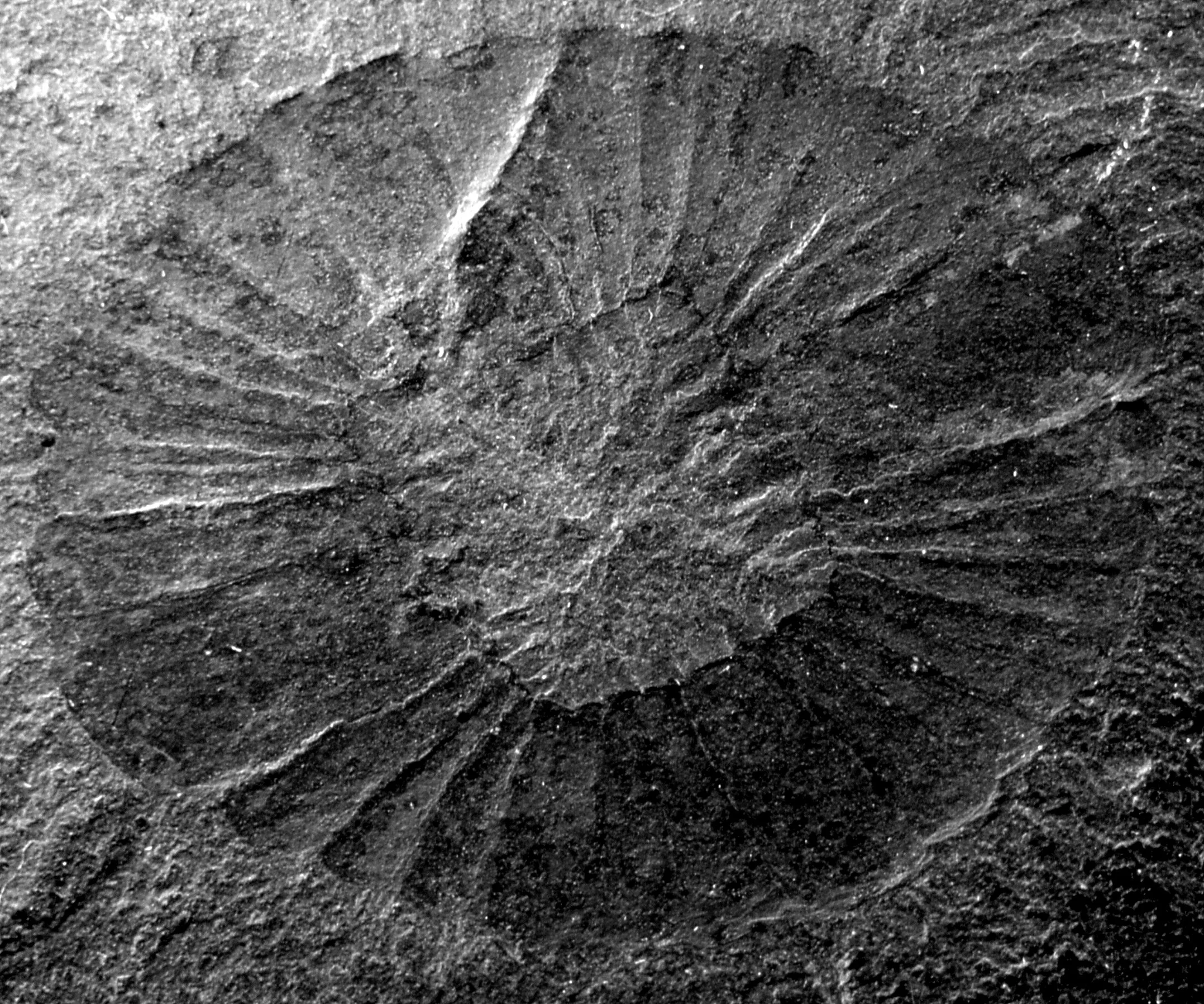
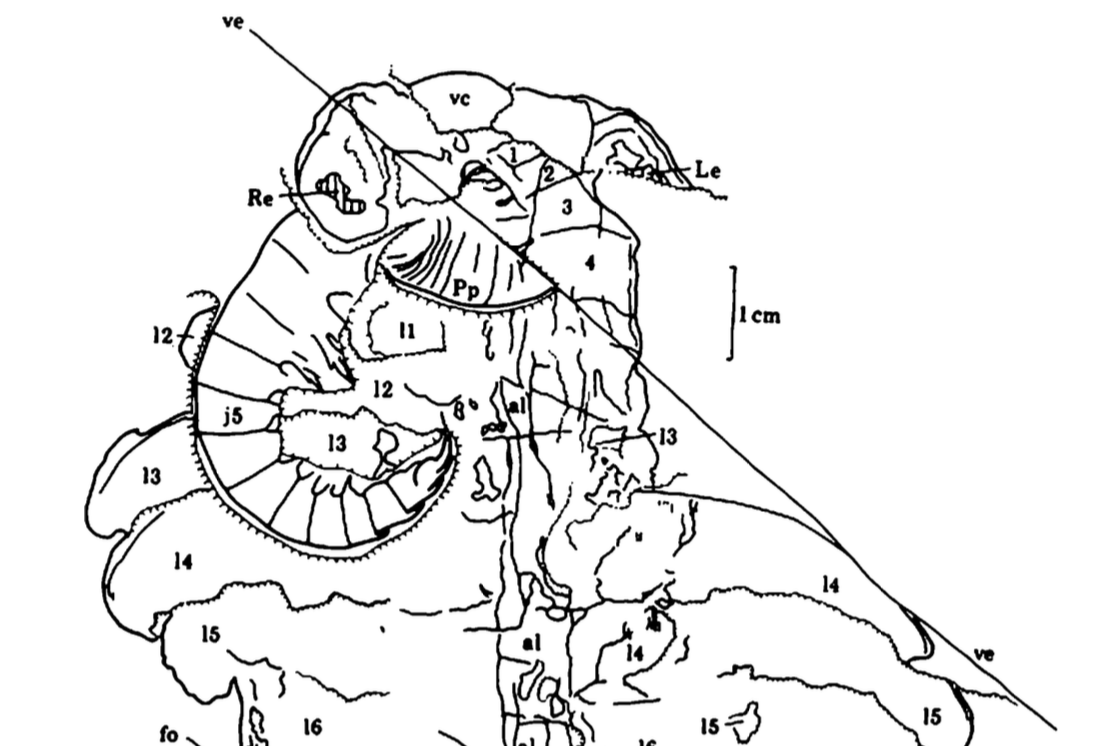
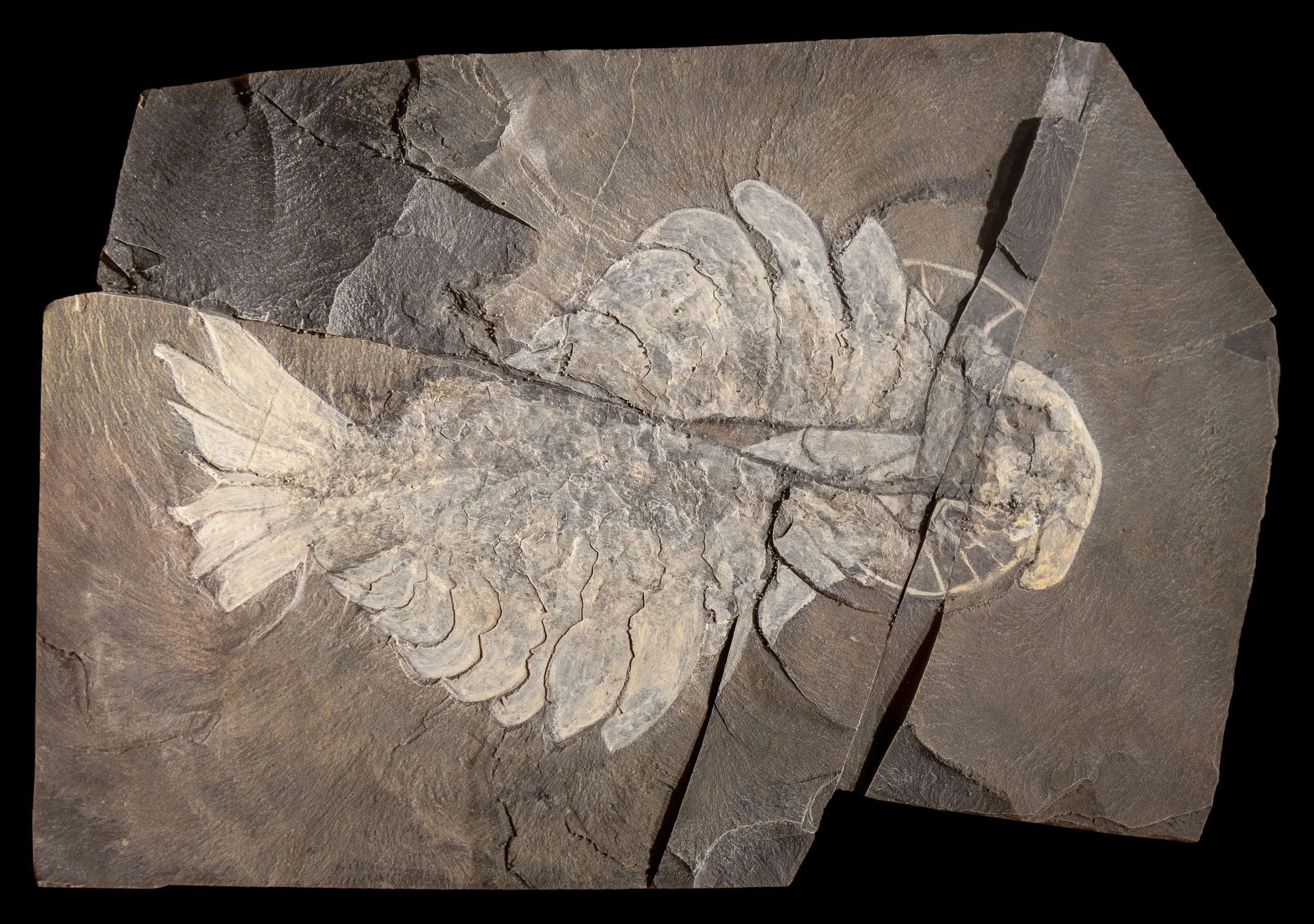
^ Click to embiggen, and hold your cursor over the enlarged image for a description ^
But actually, things were a bit more complicated than this. The reason was that not every specimen of the creature that would become popularly known as Anomalocaris bore feeding appendages of the sort pictured above. Others bore a rather different appendage characterized by long, bristle-like spines, which had once received the name “appendage F” (because they were apparently specialized for feeding). Like the appendages of Anomalocaris, these had long been known. (Anomalocaris specimens had first been collected in 1886; “appendage F”— not yet so-called— were discovered in the initial pulse of excavation at the Burgess quarry, ca. 1910.) But since no one then had an inkling of the composite beast, the discoverer of the fossils, Charles Walcott, suggested they belonged to the largest arthropod then-known from the deposit, Sidneyia, which grew to about six inches long.*
[* “Appendage F” type organs are now known to occur in two genera of radiodonts, Peytoia and Hurdia. At first, appendage F-type organs were assigned to Peytoia (then Anomalocaris) nathorsti. (And in a confusing bit of nomenclatural history, Anomalocaris nathorsti was once known as Laggania cambria before it became Peytoia nathorsti— don’t ask.) Anyway, it was later realized that a third anomalocaridid existed in the Burgess Shale— Hurdia victoria— which also had appendage F-type organs (Daley et al. 2009).]
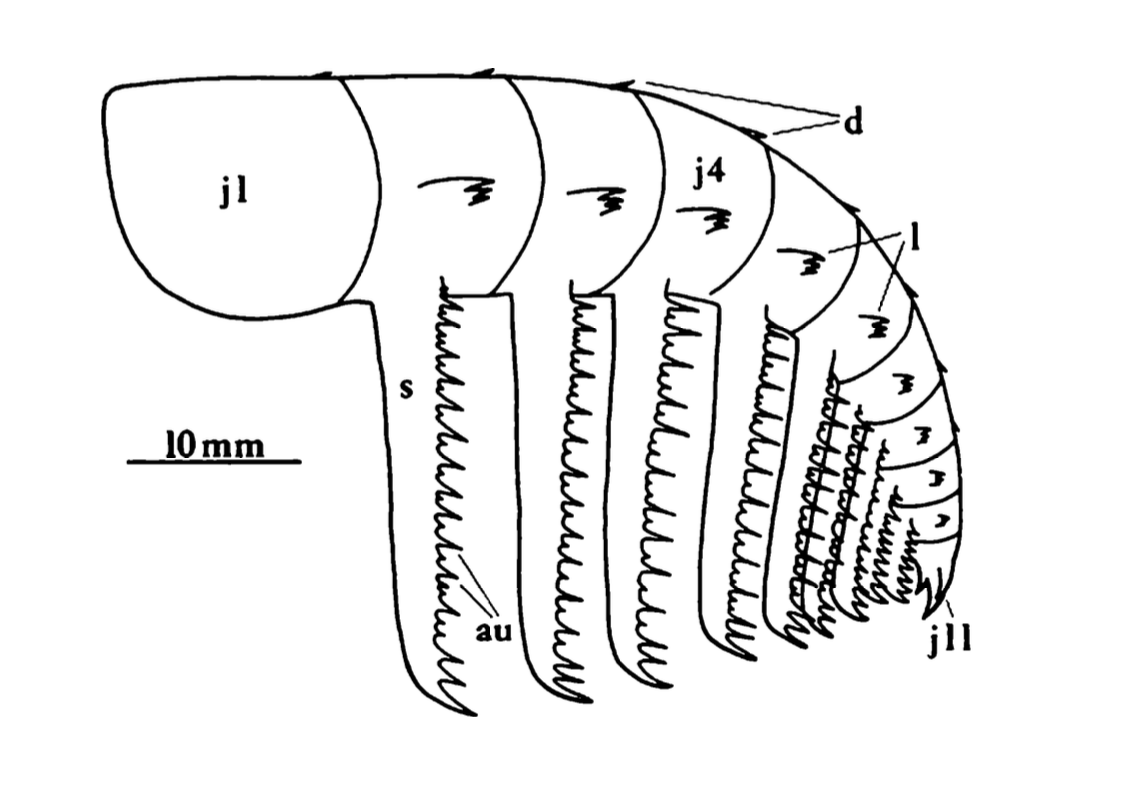
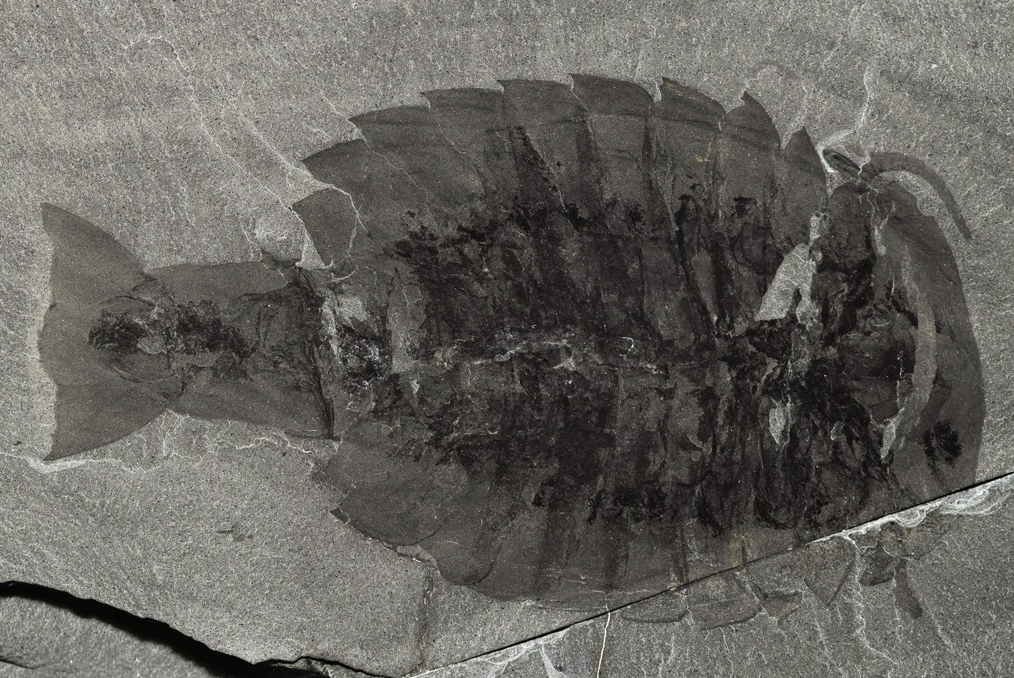
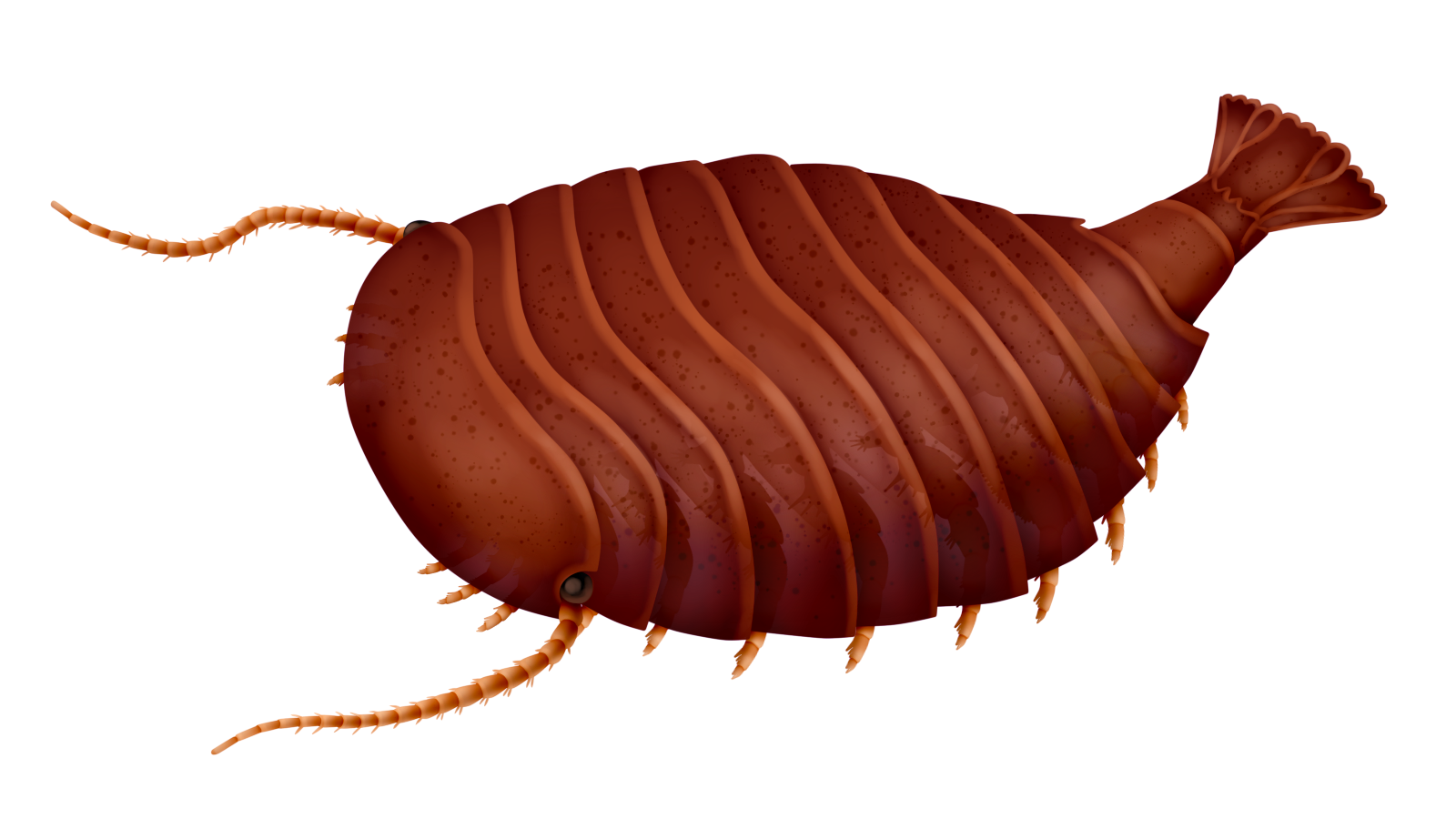
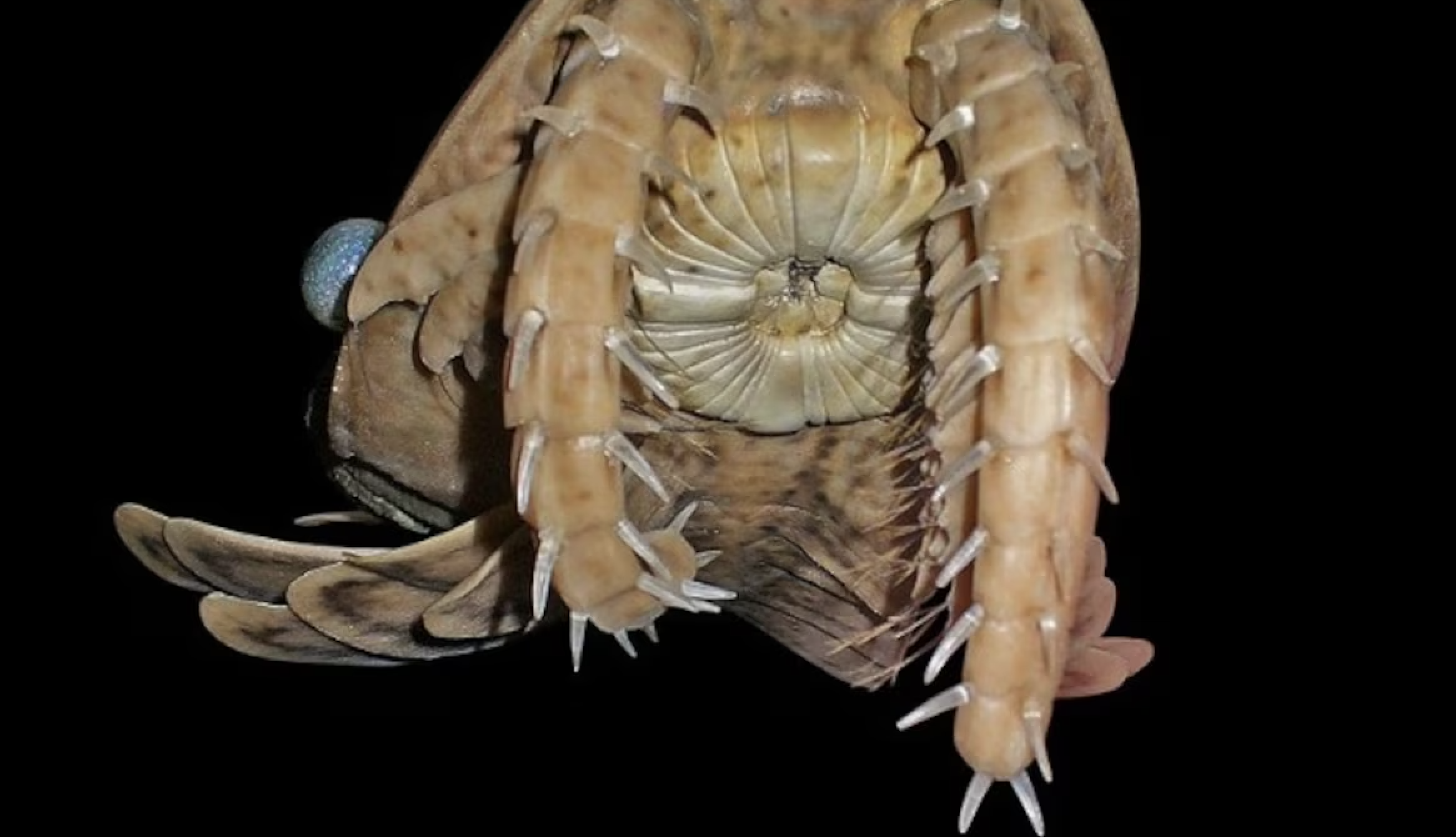
^ Click to embiggen, and hold your cursor over the enlarged image for a description ^
Needless to say, this is a hyper-condensed history of what was a fascinating episode in the history of paleontology. If you aren’t familiar with the details, it’s worth looking into. (Gould tells it with great verve in Wonderful Life, beginning on page 194. Desmond Collins tells it, too, in his [1996].) Anyway, the reason I’m relating it here is because of the following image, which was printed in volume 31 of The Ottawa Naturalist in 1918. Its architect was Lancaster Burling, and it shows Sidneyia outfitted with two “appendage F” structures attached just behind the head. I’m not sure whether Burling actually drew the picture. (He might have— Burling was a paleontologist and skilled fossil collector, who accompanied Walcott to the Burgess quarry in 1910 and 1911. He was also a pioneer of Burgess photography, and developed, with Walcott, a procedure for photographing the notoriously hard-to-photograph Burgess fossils.) But never mind that. For now, just look upon the critter and marvel. The composite beast, I’m afraid, is slightly comical. The claws look about fifty percent too big, maybe more. Anyway, it’s a hundred percent delightful— amiright?
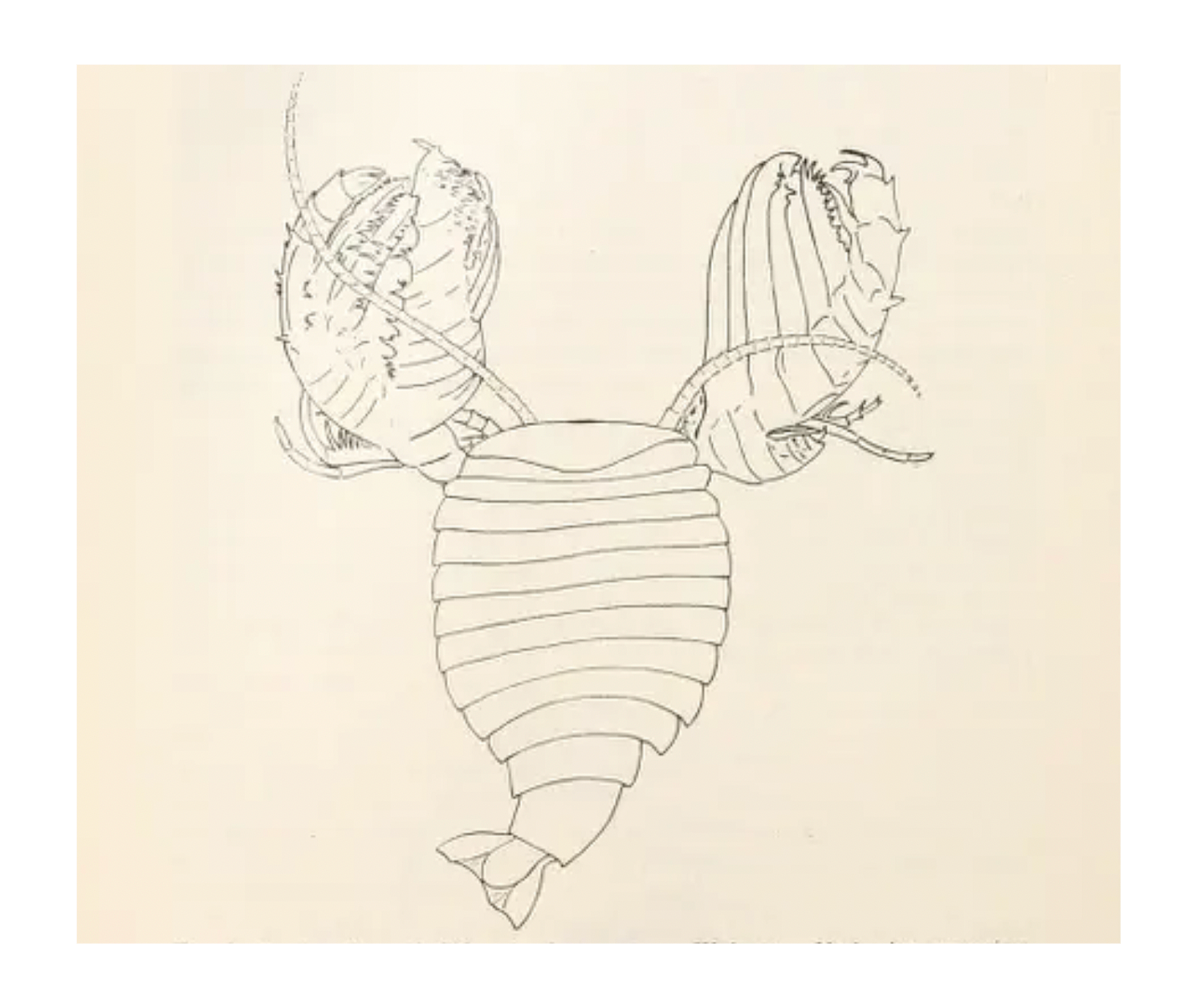
Burling’s original caption: “Restoration of Sidenyia inexpectans Walcott. Made by grouping together a body and two claws found within the limits of the same Middle Cambrian faunule on the slopes of Mt. Field, British Columbia. The two claws are probably both rights or both lefts, one (left in the figure) showing one side, with the “thumb” in place, the other showing the reverse side of a claw, probably belonging to the same side of the animal, with the “thumb” broken away. The individual portions after Walcott. One-half natural size”
As far as I know, this was the only attempt to depict Walcott’s “Sidney crab” with its supposed feeding appendages attached. In Charles Knight’s famous painting of the Burgess Shale fauna— which appeared in National Geographic in 1940— Sidneyia is featured, but without “appendage F.” Walcott, for his part, never attempted a life reconstruction of Sidneyia. He nonetheless described it as the very terror of the Cambrian seas, a voracious apex predator that would have struck fear in the hearts of the soft-bodied animals of the Burgess fauna. As he wrote in a popular article, published in 1911, Sidneyia was “the king of the animal world in its day. That it was prepared to assert its right to the control of the Cambrian sea is shown by the claws with which it was armed.” (See the plate that accompanied this passage below.)
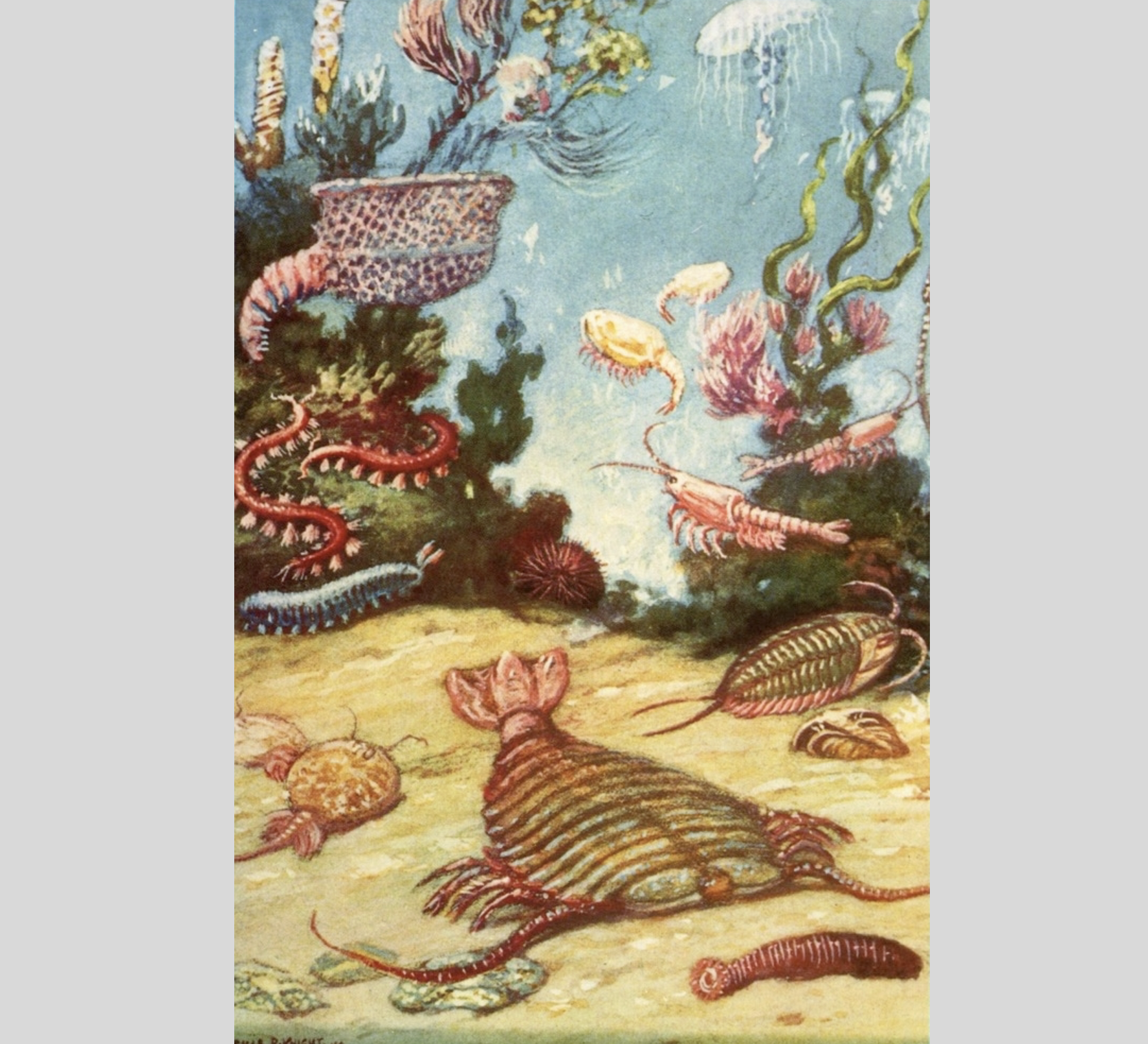
Charles Knight’s representation of the Burgess Shale fauna, with Sidneyia dominating the seafloor, and little Anomalocaris, here shown attached to the bivalved carapace of (what is now known to be) an unrelated arthropod, swimming in the upper left-hand corner
I wonder if Walcott saw Burling’s reconstruction, and if he did, what he thought of it. I assume he saw it. He and Burling were close colleagues, and it’s even possible that Burling consulted Walcott about the orientation of the claws relative to the body. Anyway, if Walcott did see it, I imagine he must have had second thoughts about the proposed beast. The various body parts just don’t seem to go together. I mean, I suppose it looks a bit like a lobster— the proportions aren’t too far off— but I don’t know. Sidneyia with giant claws doesn’t quite pass the smell test.
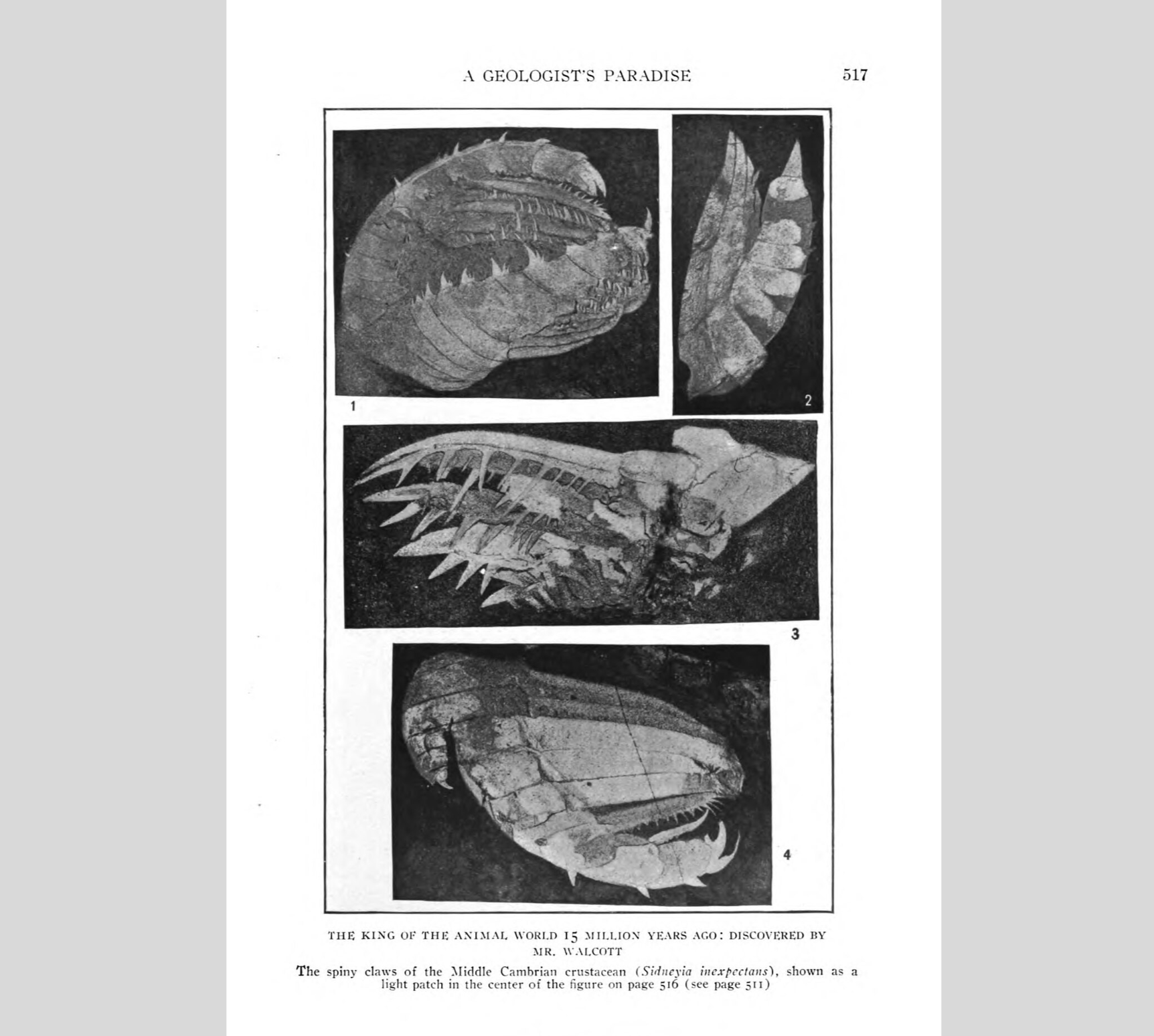
The plate accompanying Walcott’s description of Sidneyia in his 1911 article, “A geologist’s paradise,” published in National Geographic. Pictured are the supposed “claws” of the Sidney crab
The road to paleontological success is studded with error. Charles Walcott’s errors have been dissected more than most, and arguably more than they deserve. Let this particular error slide back into obscurity, then. Or at least remember it with a smile.
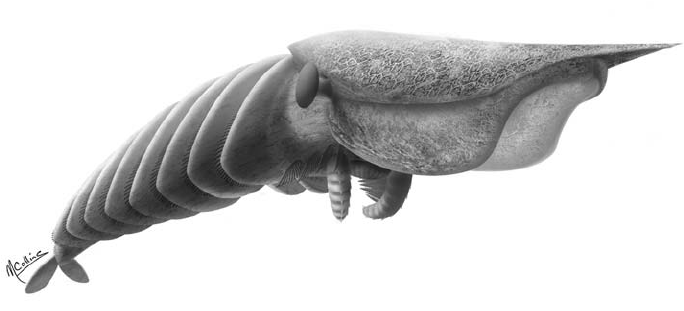
2009 reconstruction of Hurdia victoria, with “appendage-F”-type feeding organs visible beneath the anterior carapace
References
Burling, L. 1918. Was the Lower Cambrian trilobite supreme? The Ottawa Naturalist 31:77–79.
Collins, D. 1996. The “evolution” of Anomalocaris and Its Classification in the Arthropod Class Dinocarida (nov.) and Order Radiodonta (nov.). Journal of Paleontology 70:280–293.
Daley, A., Budd, G. E., Caron, J.- B., Edgecombe, G., & Collins, D. 2009. The Burgess Shale anomalocaridid Hurdia and its significance for early euarthropod evolution. Science 323:1597–1600.
Gould, S. J. 1989. Wonderful life: the Burgess Shale and the nature of history. New York: W. W. Norton & Co.
Walcott, C. D. 1911. A geologist’s paradise. Natural Geographic Magazine. (https://en.wikisource.org/wiki/A_Geologist%27s_Paradise)